

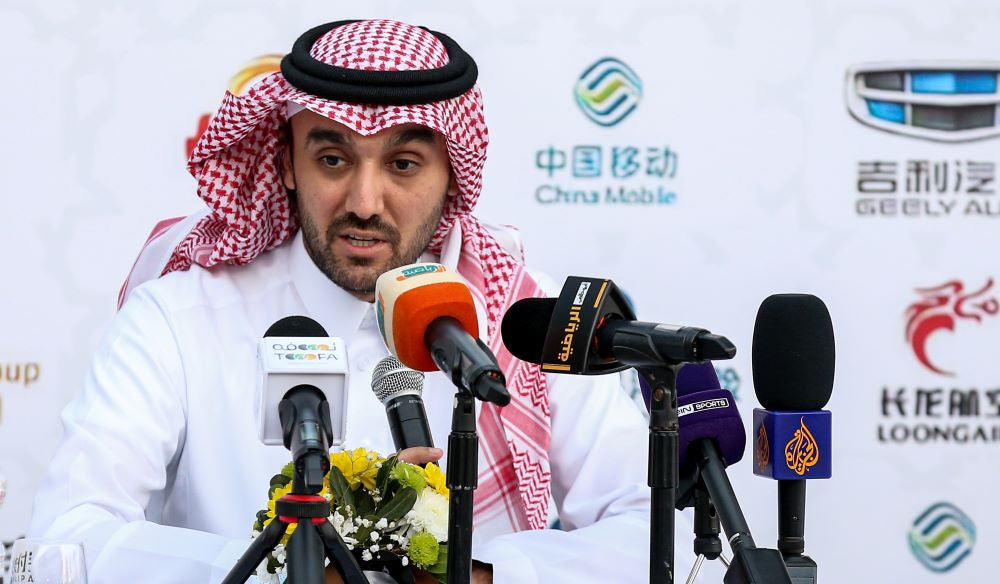
In the past few years, Saudi Arabia has become one of the most talked-about players in global sport. Backed by its powerful Public Investment Fund (PIF), the Kingdom has poured billions into football, golf, tennis, boxing, esports, and more. The ambition is bold: use sport as a platform to diversify its economy, project soft power, and reshape its international image.
From the takeover of Newcastle United in 2021 to the creation of LIV Golf—an upstart league that lured players away from the PGA with eye-watering contracts—Saudi money is reshaping familiar landscapes. In tennis, the ATP Tour has signed a multi-year partnership with the PIF, while FIFA has tapped Saudi funding for its expanded Club World Cup. Most controversially, Saudi Arabia has secured the right to host the 2034 FIFA World Cup, with nearly a thousand sponsorship deals already tied to the event. And it doesn’t stop there: Riyadh has launched an Esports World Cup, staged big-ticket boxing fights, and even experimented with “rule-changing” snooker tournaments.
The logic is clear. Sport offers global reach, cultural prestige, and the chance to align with Saudi Arabia’s Vision 2030 goals of diversifying beyond oil. It also creates domestic excitement—new jobs, infrastructure, and entertainment opportunities for a young population. On paper, it’s a win-win.
But not everyone is celebrating. Critics call this “sportswashing”: using the glamour of sport to distract from human rights concerns and to polish the Kingdom’s global reputation. Questions are also being raised about sustainability—LIV Golf has reportedly lost billions—and about whether Saudi influence in governing bodies like FIFA and the ATP is giving the country undue sway over how global sport is run. Athletes, too, face scrutiny. Accepting Saudi deals can mean career-defining paydays, but it also risks reputational backlash.
This leaves global sport at a crossroads. Saudi investment is undeniably transforming the industry, bringing new money and new possibilities. But it also forces fans, players, and institutions to grapple with uncomfortable questions: where do we draw the line between growth and ethics, between investment and influence, between spectacle and integrity?
For now, one thing is certain: Saudi Arabia isn’t just dabbling in sport—it’s making itself impossible to ignore.


Fox ‘in talks’ to join TikTok US takeover
Fan Engagement in Sport: The Engine of Sponsorship Revenue