

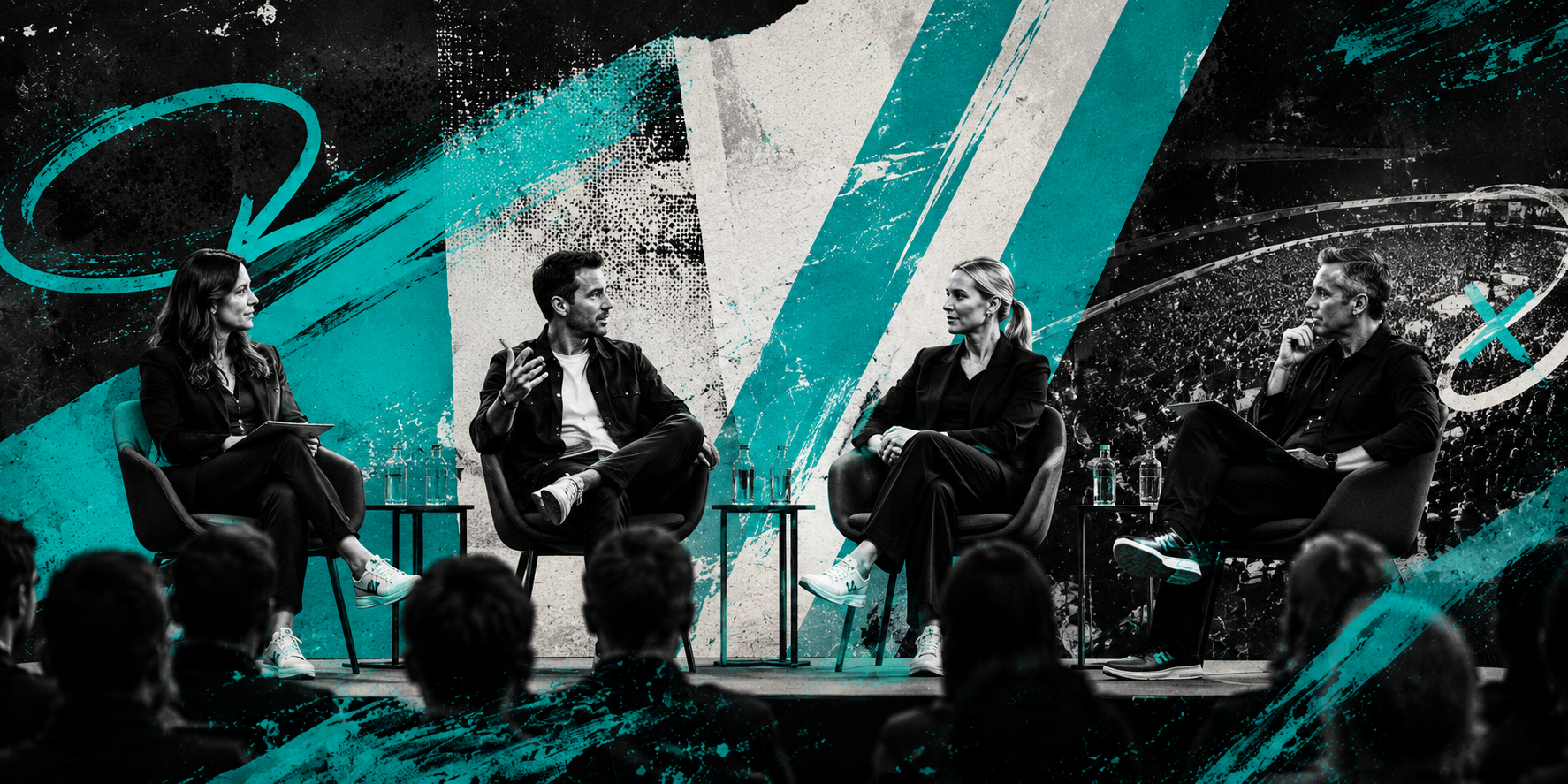
At SBC Summit Tbilisi 2026, three sponsorship operators sat on a panel called "Sports Rights, Sponsorship & Media: What Still Delivers ROI" and dismantled how most brands still buy into sport.
Levy Andratchnikov, formerly of Bayern Munich, AS Monaco and Wolverhampton Wanderers, opened with the core misconception: brands treat a football club like inventory - audience size in, ROI out - when the real value sits outside the 90 minutes. Players now double as influencers, streamers and personal brands, which means a sponsorship buys reach a media plan never could: a shirt in someone's Instagram photo, a celebrity spotted wearing it, a goal reposted to a player's own following of millions. None of that shows up on a rate card.
The panel also discussed timeline expectations. Brands expect returns inside 12 months; fan relationships take three to five years to actually form. One panelist said he's turned down sponsorship budgets from brands that weren't ready, on the logic that a rushed deal does more damage to the brand than no deal at all.
They highlighted that most breakdowns happen in activation - the unused hospitality packages, the stadium meet-and-greets nobody planned properly, the season that goes by with no execution plan before the client asks where the return went.
Why it matters
A brand buying a shirt sponsorship for the impression count is buying the wrong asset - the impression count is the byproduct, not the point. The point is whether the partnership becomes something a fan carries with them, the way an Atlético Madrid film-studio shirt design gets remembered years after the season it ran in.
The activation gap is the more expensive mistake, and it's avoidable. A club or agency that treats sales and activation as one job will keep producing sponsors who sign once and never renew - because nobody built the plan that makes the deal worth repeating. Split the function, or partner with someone who already has, and the retainer conversation gets a lot easier to have.
The timeline point is the hardest one for brands to sit with, and the most useful one to say out loud in a pitch: if a client wants proof of ROI on a brand-building spend inside a single season, the honest answer is that they're measuring the wrong thing, not that the sponsorship failed. That's not a comfortable line to open with, but it's the right one.
Credit: Insider Sport


LIV Golf 2.0: New Lead Investor Deal
"It Always Will Be Foot Locker": A Masterclass in Owning Your Own Memory