

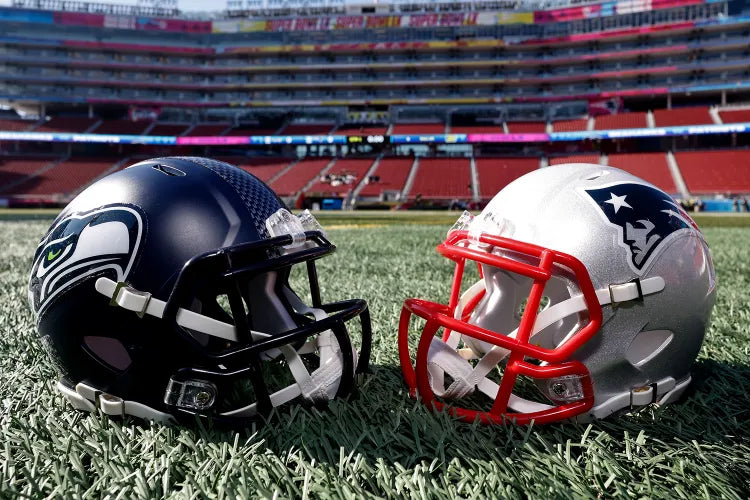
This year’s Super Bowl proved once again why it isn’t just a game — it’s one of the biggest commercial and cultural moments in global sport.
Super Bowl LX, aired Sunday on NBC and across digital platforms, averaged nearly 125 million viewers in the U.S., making it the second-most-watched broadcast in American television history. At its peak in the second quarter, the audience swelled to an astonishing 137.8 million viewers, setting a new record for peak viewership.
What’s particularly striking about this edition is how the spotlight expanded beyond the action on the field. The Apple Music-sponsored halftime show, headlined by Bad Bunny, became a cultural juggernaut in its own right. It drew more viewers than the game’s average, with roughly 128 million tuning in for the performance — punters, casual watchers and global music fans alike.
This crossover appeal underscores a broader trend in sports media: sponsorships and entertainment integrations are no longer peripheral add-ons — they’re central to the event’s commercial value. Brands are paying premium prices for their moments on this stage because the Super Bowl still unifies huge audiences at a time when fragmented viewing habits make that increasingly rare. Ads don’t just run during the game anymore — they become part of the cultural conversation that fuels social engagement and long-tail value.
Whether it’s through jaw-dropping audience figures or the way halftime shows now rival the game itself for attention, Super Bowl LX demonstrated that sport and entertainment have never been more intertwined — or more valuable to sponsors and marketers.


Williams F1 Welcomes Barclays and Anthropic in Strategic Sponsorship Expansion
Clif Bar and the TCS London Marathon: A Partnership Built to Fuel Every Runner