

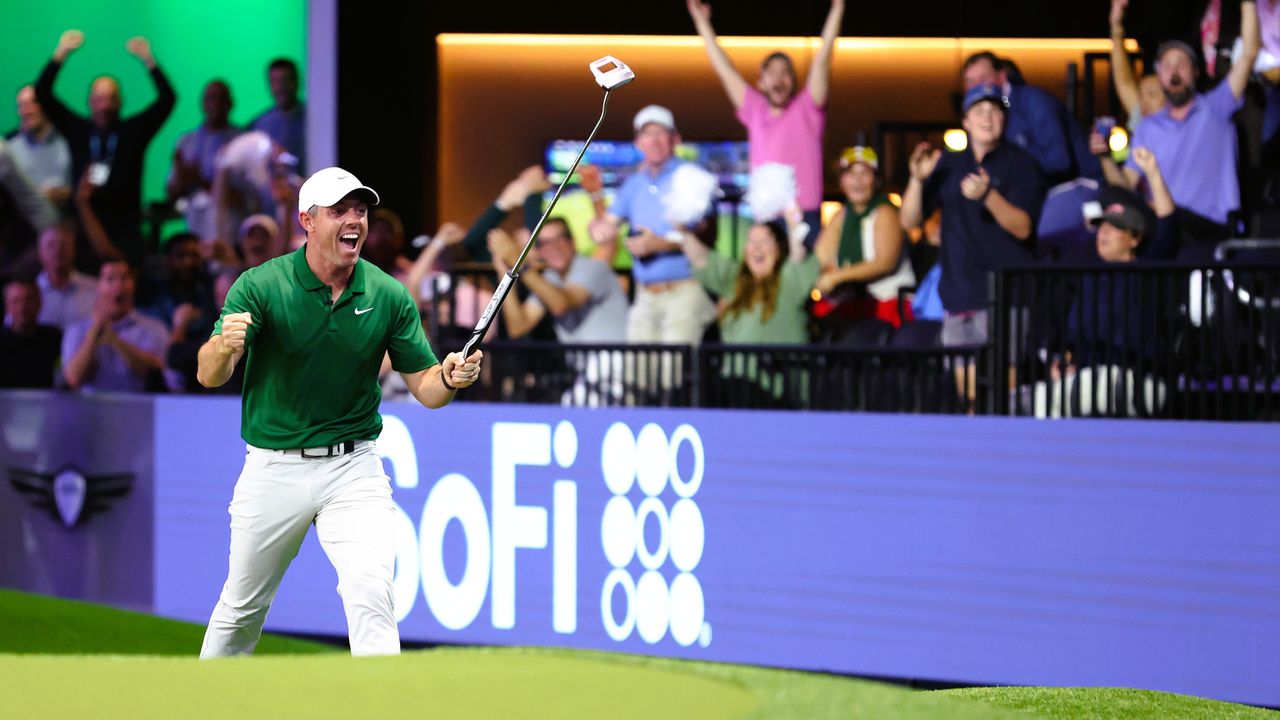
When TGL launched its first season, it felt like a bold experiment — blending elite golf, cutting-edge technology and prime-time entertainment. Just one season later, that experiment is quickly turning into a scalable sports product, with Season Two highlighting how far the league has come in a short space of time.
The latest season arrives with a noticeably more polished feel. Improvements to the SoFi Center — including an expanded putting surface and more creative hole designs — have elevated both competition and broadcast appeal. Matches feel faster, more dramatic and increasingly purpose-built for television, reinforcing TGL’s position as a made-for-media product rather than a traditional golf format.
Momentum has also grown off the course. Star power is now fully embedded, with players like Tiger Woods and Rory McIlroy helping drive narratives, rivalries and personality-led moments that translate well across social and digital platforms. Combined with ESPN’s prime-time coverage, TGL is tapping into viewing habits that prioritise pace, access and entertainment over tradition.
Perhaps the most telling sign of TGL’s ambition, however, is the announcement of Women’s TGL, set to launch later this year in partnership with the LPGA and TMRW Sports. The women’s league will follow the same tech-infused, team-based model, positioning it not as a side project, but as a core pillar of TGL’s long-term strategy.
For women’s golf, WTGL offers a powerful new platform built for visibility and storytelling. For TGL, it marks the transition from an innovative concept into a multi-property sports entertainment brand.
Season Two makes one thing clear: TGL is no longer testing the future of golf — it’s actively building it.


Exclusive: Wimbledon and IBM extend AI and cloud tech partnership
Luke Littler signs unprecedented UK £20m deal with Target Darts