

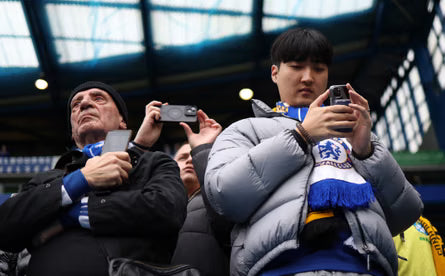
Live sport remains one of the few forms of entertainment that demands real-time attention. The drama, the unpredictability and the shared experience still matter. But it no longer stands alone.
Second screens, social feeds and instant highlights now sit alongside the broadcast. Fans watch while scrolling, react while posting, and often relive moments online long after the match ends. The experience has expanded beyond the whistle.
This evolution hasn’t reduced the value of live sport, it’s changed its role. Matches now act as the engine, while social platforms extend their lifespan. A single moment can outlive the game itself, reaching audiences who never tuned in live.
For many fans, engagement is no longer linear. Some watch the full match. Others dip in and out. Some catch up purely through highlights, reactions and clips shared by friends, athletes or creators they follow. All of these behaviours now sit on the same spectrum of fandom.
What’s changed is expectation. Fans expect instant access, multiple angles and real-time conversation. They want to feel part of the moment, even if they aren’t watching every second of it live. In that sense, social platforms haven’t replaced live sport, they’ve become part of how live sport is experienced.
The challenge for the industry is balance. How do you protect the premium nature of live viewing while embracing the reality that fans want instant, shareable access? The answer may lie not in competition, but in integration, where live broadcasts and digital platforms work together to serve different types of fans in different moments.


NFL and PGA Tour Will Keep Blocking Players From Endorsing Prediction Markets
What Manchester United’s (RED) Activation Shows About the Evolution of Sport Sponsorship