

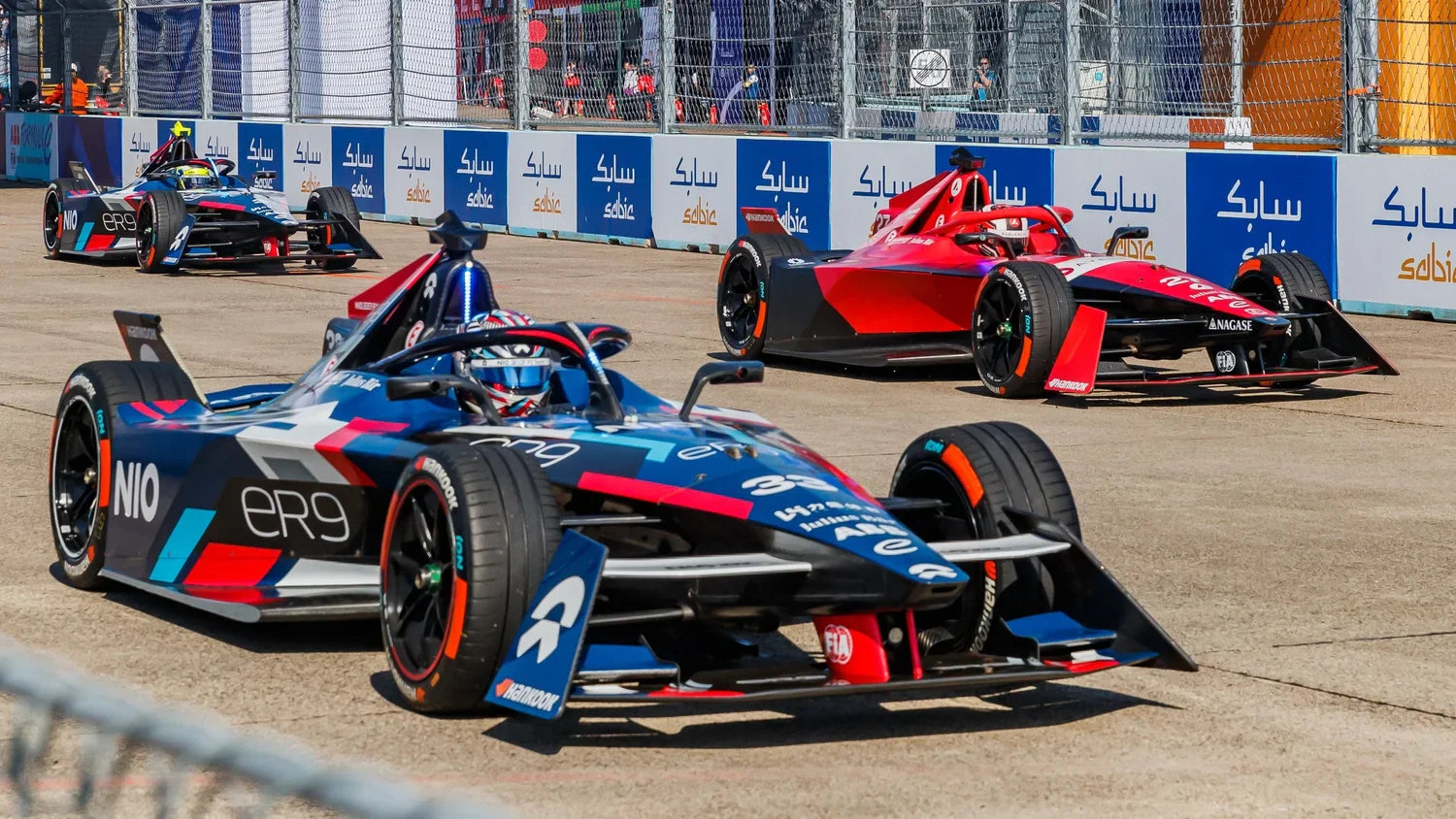
In today’s sponsorship landscape, brands are no longer judged solely on visibility - they are judged on values. Consumers, particularly younger audiences, are increasingly asking what a brand stands for, not just what it sells. Against this backdrop, Formula E has emerged as a compelling platform for sponsors looking to align commercial impact with sustainability.
What makes Formula E unique is not just that it is electric - it’s that it has successfully repositioned motorsport as a credible vehicle for environmental progress, innovation, and purpose-led storytelling. For brands and marketing teams, that opens up an entirely different kind of sponsorship opportunity.
A New Era of Motorsport Sponsorship
Motorsport has always been a powerful marketing platform, combining global reach with high-intensity engagement. The sector itself is booming, with the global motorsport sponsorship market projected to grow from $3.38 billion in 2023 to $7.6 billion by 2033. But within that growth, Formula E represents a particularly interesting shift.
Unlike traditional series, Formula E is built around innovation and sustainability. It has positioned itself as a testbed for electric mobility and clean technologies, attracting brands that want to be associated with the future rather than the past.
That positioning is already paying off. Major global brands such as ABB, Porsche, Jaguar, and TDK have all committed to the series, not just as sponsors but as partners in innovation. ABB, for example, has used its title sponsorship - reportedly worth millions per season - to showcase its energy solutions and reinforce its commitment to a “leaner and cleaner future.”
This is the key shift: sponsorship in Formula E is no longer just about logo placement. It is about embedding your brand into a narrative of progress.
Sustainability That Feels Authentic
One of the biggest challenges brands face today is credibility. Consumers are increasingly wary of “greenwashing” - where companies exaggerate their environmental efforts for commercial gain.
Formula E offers a way around that problem.
Unlike some traditional motorsport sustainability initiatives, which have been criticised for lacking real impact, Formula E was designed from the ground up with sustainability at its core. It became the first motorsport series to achieve ISO20121 certification for sustainable events and continues to push towards net zero carbon emissions.
This gives sponsors something extremely valuable: authenticity.
When a brand partners with Formula E, it is not borrowing sustainability - it is participating in it. From energy-efficient race logistics to regenerative braking systems that produce nearly 50% of race energy, the championship provides tangible proof points that brands can activate around.
For marketing teams, this translates into richer storytelling. Instead of making abstract ESG claims, brands can demonstrate real-world impact through their involvement in the series.
A Platform for “Greenfluencing”
Formula E has also allowed for a different kind of sponsorship activation often described as “greenfluencing” - using partnerships to communicate environmental responsibility in a credible, engaging way.
Sponsors use the championship itself as a platform to showcase their sustainability initiatives.
This approach is particularly effective with younger audiences. Research shows that Formula E fans skew significantly younger than traditional motorsport audiences and are more receptive to sponsorship messaging.
They are also more likely to take action:
- 49% notice event sponsors
- 47% say advertising influences their purchasing decisions
- 37% would buy from a brand sponsoring their team
For brands, that is a powerful combination: a purpose-driven platform and an audience that is actively listening.
Global Reach Meets Urban Relevance
Formula E’s format also gives it a unique edge. Unlike traditional circuits, races take place in the heart of major cities - from London to New York to Tokyo.
This urban footprint brings brands closer to consumers, both physically and culturally. It creates opportunities for experiential marketing, hospitality, and localised campaigns that feel relevant to modern, city-based audiences.
At the same time, the championship’s global reach continues to expand rapidly. The series now boasts a fanbase of over 422 million, with a cumulative TV audience of 561 million and growing digital engagement across platforms.
For sponsors, this means scale without sacrificing specificity - global visibility combined with targeted, high-value engagement.
Flexible Investment, High Impact
Another advantage of Formula E is its accessibility compared to other top-tier motorsports.
Sponsorship opportunities range widely:
- Team partnerships: ~$1 million to $10 million per season
- Race title sponsorships: up to $2 million
- Championship partnerships: $5 million to $15 million+
This flexibility allows brands of different sizes to participate, while still benefiting from the halo effect of a premium, global championship.
The Bigger Picture: Future-Proofing Your Brand
Perhaps the most compelling reason to invest in Formula E is not immediate ROI - it is long-term relevance.
The global shift towards electrification is no longer hypothetical. Electric vehicles are becoming mainstream,sustainability is moving from optional to essential, and younger consumers are reshaping expectations around corporate responsibility.
Formula E sits at the intersection of all these trends.
It offers brands a way to:
- Align with the future of innovation
- Demonstrate genuine environmental commitment
- Engage a younger, more values-driven audience
As one industry insight puts it, Formula E is not just about exposure - it is a storytelling platform for innovation and forward-looking identity.
So Why Don’t More Brands Invest in Formula E?
There is clearly strong sponsorship potential with Formula E, particularly for brands looking to maximise the authenticity of their ESG commitments. But if the opportunity is so compelling, why are some brands still hesitant to invest?
Formula E still operates in Formula 1’s shadow. While the series has grown significantly over the past decade, its pull does not yet match the scale or cultural weight of F1.
In its early years, critics pointed to the slower pace and lack of sensory excitement compared to traditional motorsport. Cars were unable to complete full races without being swapped due to limited battery capacity - reinforcing perceptions of the sport as underdeveloped.
That picture has changed. Advances in technology have made races more competitive, with closer pack racing and frequent lead changes.
However, the gap in scale remains. F1 boasts 827 million fans globally in 2025, compared to Formula E’s 422 million.
F1 also offers something beyond scale - a deep-rooted sense of history, prestige, and luxury that many brands want to align with. While sustainability is rising in importance, the reach and cultural significance of F1 remains highly attractive.
As a result, Formula E can still feel like a risk. It is less culturally embedded and, for some audiences, less emotionally charged. In many ways, it is still proving its long-term staying power.
But Formula E isn’t trying to be F1. It represents a fundamentally different sponsorship proposition.
For brands, the choice is not just between two sports - but between two types of value:
- Formula 1 offers more attention, links to iconic moments, a greater sense of emotional connection and the feeling of luxury
- Formula E offers opportunities for authentic alignment, future-facing innovation, and credible sustainability storytelling
Both are powerful. The difference lies in what a brand wants to stand for.
Final Thoughts
Sponsoring Formula E is no longer a niche or experimental move. It is a strategic decision for brands that want to stay ahead of the curve.
In a world where authenticity, sustainability, and engagement are becoming the currency of marketing, Formula E provides a rare combination: a global stage, a credible purpose, and an audience ready to listen.
Whilst Formula E continues to sit in F1’s shadow when it comes to viewership numbers, it is steadily growing, and presents an important opportunity for brands to get in early and align themselves with a sport that it constantly innovating with environmentally friendly values in mind.
For sponsors willing to think beyond traditional metrics, it represents something even more valuable - a chance to be part of a story that is shaping the future.


From Riverbanks to Revenue: The Commercial Power of the Boat Race
Verstappen race engineer Lambiase to join McLaren